
Control valves play a vital role in regulating fluid flow across various industrial processes. They are essential components in piping systems, helping to maintain the desired pressure, temperature, and flow rate. Whether used in chemical plants, water treatment facilities, or HVAC systems, control valves ensure that fluids are directed accurately. Their function goes beyond simple regulation they are responsible for optimizing system performance, reducing energy consumption, and ensuring operational safety. By adjusting the flow based on signals from controllers, control valves contribute significantly to system precision and reliability, which are critical for consistent output and reduced operational risks.
Understanding Control Valves
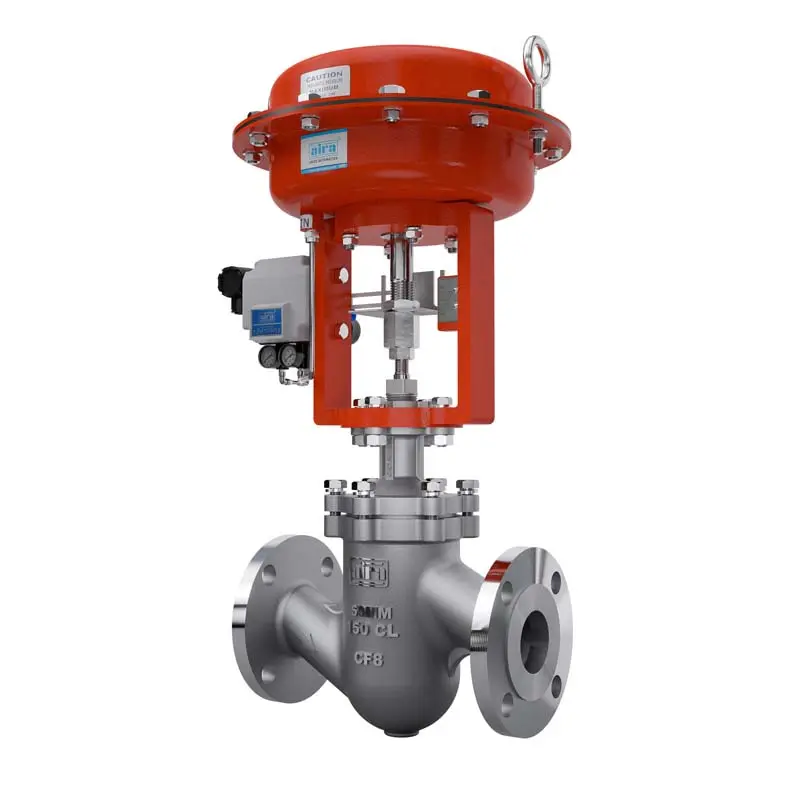
Control valves are mechanical devices used to regulate the flow of fluids such as gas, steam, water, or chemical compounds. They operate based on input signals from controllers which determine the required flow adjustments and control valve should always be in what position. Key components of control valves include:
- Actuator: Moves the valve stem to adjust flow.
- Valve body: Directs fluid and controls pressure drop.
- Positioner: Ensures valve reaches the desired opening.
- Controller: Sends signals based on process requirements.
These parts work together to ensure accurate flow regulation and system stability.
Enhancing Flow Precision
Precision in fluid flow is crucial for efficient system performance. Control valves offer:
- Accurate modulation: They adjust fluid flow rates precisely to match setpoints.
- Responsive adjustments: They react to changes in system pressure or demand.
- Consistent delivery: They ensure a steady supply of fluid at the desired rate.
This level of control is particularly important in industries like pharmaceuticals, food processing, and petrochemicals, where even slight flow deviations can impact product quality.
Improving System Reliability
Vincer control valves enhance system reliability in several ways:
- Stable operations: Reduce fluctuations that may damage equipment.
- Automatic adjustments: Respond to pressure or temperature changes without manual intervention.
- Fail-safe features: Designed to default to a safe position during system failure.
By ensuring uninterrupted flow and automatic compensation for system variations, control valves reduce downtime and prevent potential hazards.
The Benefits of Using Control Valves
Using high-quality control valves brings multiple benefits:
- Improved energy efficiency
- Enhanced process safety
- Reduced maintenance costs
- Better process control
- Long-term cost savings
Industries that rely on continuous and accurate fluid control benefit immensely from the dependability and automation that control valves offer.
Conclusion
Control valves are key to achieving both precision and reliability in fluid control systems. By regulating flow with high accuracy and adapting to changes automatically, they contribute to smoother operations and safer processes. Their role is not just mechanical they support energy savings, reduce downtime, and protect system components. For industries looking to enhance performance and maintain quality standards, integrating effective control valves is a smart and essential choice.
