
In modern electrical and automation systems, clarity in design is essential for achieving optimal performance. One often overlooked yet crucial element is the limit switch symbol. Properly understanding this symbol not only enhances design efficiency but also strengthens overall system reliability. Understanding limit switch symbol improves accuracy in electrical schematic reading.
What Is a Limit Switch Symbol?
A limit switch symbol represents a device used to detect the presence or position of an object. It is commonly found in circuit diagrams and control schematics, indicating how mechanical movement interacts with electrical components. These symbols visually communicate how a switch operates within a system, making them vital for engineers, designers, and technicians.
Why Understanding the Symbol Matters
Recognizing and interpreting limit switch symbols allows professionals to design systems with greater precision. When symbols are used correctly, they eliminate confusion and ensure that all stakeholders share a unified understanding of the system.
Key Benefits Include:
- Improved design accuracy: Clear symbols reduce misinterpretation in schematics
- Faster troubleshooting: Easy identification of components speeds up diagnostics
- Enhanced communication: Teams can collaborate more effectively using standardized visuals
- Reduced errors: Proper symbol usage minimizes costly design mistakes
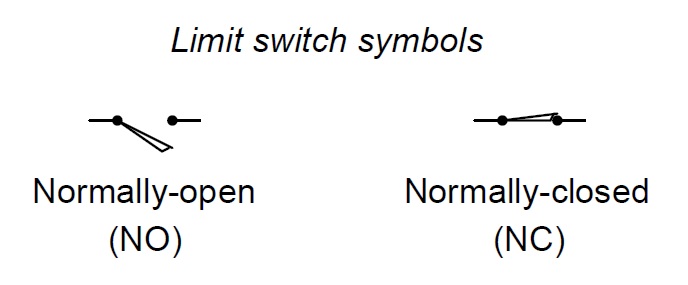
Types of Limit Switch Symbols
Limit switch symbols can vary depending on their function and configuration. Understanding these variations helps in selecting the right component for specific applications.
- Normally Open (NO): Indicates a switch that remains open until activated
- Normally Closed (NC): Represents a switch that stays closed until triggered
- Changeover Switch: Combines both NO and NC functions in a single unit
- Actuator-Based Symbols: Show how the switch is physically activated, such as by a lever or roller
Each type plays a unique role in system behavior, making it important to choose the correct representation during the design phase.
Enhancing System Reliability
A well-designed system relies on accurate representation and seamless integration of components. Limit switch symbols contribute significantly to this process by ensuring that the intended functionality is clearly defined.
How They Improve Reliability:
- Consistent documentation: Ensures systems are easy to maintain and upgrade
- Accurate installation: Technicians can follow diagrams with confidence
- Predictable performance: Correct symbols lead to proper component behavior
- Safer operations: Reduces risks associated with incorrect wiring or setup
Best Practices for Using Limit Switch Symbols
To fully leverage the advantages of limit switch symbols, it is important to follow a few best practices:
- Use standardized symbols: Stick to widely accepted schematic conventions
- Label clearly: Add descriptive annotations for better understanding
- Maintain consistency: Use the same symbol style throughout the design
- Review regularly: Double-check diagrams to ensure accuracy and clarity
Driving Efficiency Through Clarity
Efficiency in system design comes from eliminating ambiguity. Limit switch symbols serve as a universal language that bridges the gap between concept and implementation. When designers and engineers fully understand these symbols, they can create systems that are not only efficient but also highly dependable.
Conclusion
Understanding limit switch symbols is a small yet powerful step toward achieving superior design outcomes. By mastering their meaning and application, professionals can enhance both efficiency and reliability in their projects. Clear symbols lead to clear thinking and ultimately, to better-performing systems.
